
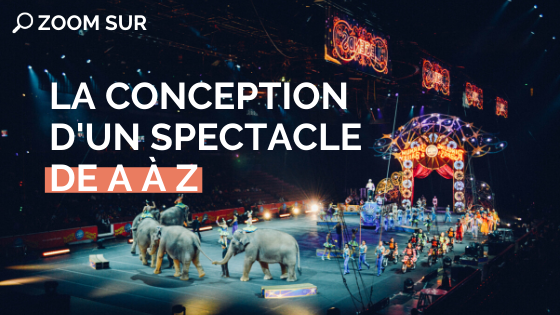
On vous présente aujourd’hui un MOOC qui nous tient à coeur dans le secteur de la culture, conçu par l’école Charles Dullin, qui révolutionne selon nous la formation digitale sur ces sujets encore très peu traités malheureusement. Démocratiser l’accès à un projet de spectacle et faciliter sa mise en place : un objectif que ce cours rempli complètement et qu’on valide à 100% !
Le MOOC en Bref ?
Tout connaître de la création d’un spectacle de A à Z c’est maintenant possible.
Ce cours est le tout premier guide en ligne réunissant toutes les infos administratives et juridiques essentielles à la réussite d’un projet de spectacle et ce de manière didactique et condensée à destination de tous les entrepreneurs de spectacle vivant. Il a été écrit par ARTCENA et produit et réalisé par l’académie Charles Dullin. L’Académie vous livrera les clés pour formuler votre projet auprès des différentes instances, chercher de l’argent, trouver un lieu, s’acquitter des droits d’auteur, trouver des acteurs… Une véritable opportunité pour les personnes se lançant, ou hésitant à se lancer sur le sujet !
Pourquoi suivre ce cours ?
Car c’est une première ! Pour la première fois en effet sont réunis tous les outils administratifs et juridiques nécessaires à la production d’un spectacle, de manière exhaustive, chronologique interactive et adaptée à tous. En 6 parties le MOOC permet de mieux définir son projet, de le structurer, de communiquer sur le projet en fonction des publics, et de de le financer, tout en accompagnant aussi sur sa création, les rapports à l’équipe et les statuts des artistes.
Un cours à ne pas rater dès le 21 janvier 2020, très complet et unique sur le sujet.
Comment y accéder ?
Directement par ici !
Deux formules sont disponibles : la passionnée à 20€ et la pro à 300€, à vous de choisir.
Le MOOC est certifiant et peut même ouvrir des opportunités de stages professionnels, développées en partenariat avec des metteurs en scène et des structures théâtrales de renom, (parfois avec une sélection sur CV).
À propos de l’Académie Charles Dullin
L’académie défend des formations 100% en ligne sur la mise en scène.
C’est la première plateforme de formation à destination des amateurs et professionnels du spectacle vivant. Avec plus 8000 apprenants déjà sur leurs MOOC passés dans plus de 90 pays, l’académie à pour objectif de transmettre la passion de la scène et de faire vivre différemment la culture.
Un projet à suivre de prêt dans le secteur de la formation en ligne !
Et si vous souhaitez aider ce projet financièrement, c’est par ici : https://www.proarti.fr/collect/project/mooc-charles-dullin/0




Defi stable assets. Decentralized Finance (DeFi) has been gaining popularity in the cryptocurrency space, offering a wide range of financial services without the need for traditional financial intermediaries. One of the key components of DeFi is stable assets, which are digital assets pegged to a stable value, typically a fiat currency like the US dollar. Stable assets play a crucial role in the DeFi mysticfinance ecosystem by providing users with a reliable store of value and a means of exchange. These assets are designed to maintain a stable value, protecting users from the volatility that is often associated with cryptocurrencies. This stability makes stable assets an attractive option for users looking to hedge against market fluctuations and preserve their wealth. There are several types of stable assets in the DeFi space, with the most common being fiat-backed stablecoins. These stablecoins are backed by reserves of fiat currency held in a bank account or trust, ensuring that the value of the stablecoin remains stable and predictable. Examples of popular fiat-backed stablecoins include USDC, USDT, and DAI. Another type of stable asset in the DeFi space is algorithmic stablecoins. These stablecoins use complex algorithms to maintain their stability, adjusting the supply of the stablecoin in response to changes in demand. While algorithmic stablecoins can be more volatile than fiat-backed stablecoins, they offer greater decentralization and transparency. Stable assets are used in a variety of DeFi applications, including lending and borrowing platforms, decentralized exchanges, and payment systems. For example, users can use stable assets as collateral to borrow other cryptocurrencies or earn interest by lending out their stable assets. Stable assets also serve as a medium of exchange on decentralized exchanges, allowing users to easily trade between different cryptocurrencies. One of the key benefits of stable assets in the DeFi space is their accessibility. Unlike traditional financial assets, which may be subject to restrictions and regulations, stable assets can be easily traded and transferred across borders without the need for a centralized authority. This accessibility makes stable assets an attractive option for users in countries with limited access to traditional financial services. Stable assets also offer users a high degree of transparency and security. Because stable assets are built on blockchain technology, users can easily verify the supply and reserves backing the stable asset. This transparency helps build trust among users and reduces the risk of fraud or manipulation. Despite their many benefits, stable assets in the DeFi space are not without risks. One of the main risks associated with stable assets is the potential for a loss of peg. If the stable asset’s value deviates significantly from its peg, users may experience losses or be unable to redeem their stable assets for the pegged value. To mitigate this risk, stable asset issuers often implement mechanisms to stabilize the value of the stable asset, such as collateralization or algorithmic adjustments. In conclusion, stable assets play a crucial role in the DeFi ecosystem, providing users with a stable and reliable means of exchange and store of value. With their accessibility, transparency, and security, stable assets offer users a valuable tool for participating in the decentralized financial system. As the DeFi space continues to evolve, stable assets are likely to play an increasingly important role in shaping the future of finance.
Awesome post! Keep up the great work! 🙂